
This story was originally published by the Rutland Herald on November 18, 2025.
Vermont State University’s Fall 2025 enrollment numbers reflect a slight increase over last year, but show a decrease in traditional residential and commuter students.
A Nov. 12 news release states that final enrollment numbers report a total headcount of 5,185 students, which is an increase of 1.4% compared to this time last year.
“We measure enrollment in different ways, and one of the ways is headcount. (That is) every student who is taking courses for credit at VTSU across all our locations and modalities,” said VTSU Vice President of Admissions and Enrollment Services Maurice Ouimet.
The 2025-26 academic year marks the third since the legacy institutions Castleton University, Northern Vermont University and Vermont Technical College transformed into a single entity.
“While this year’s enrollment gains are smaller than we anticipated, there are (several) enrollment bright spots to focus on and learn from that affirm our overall strategic direction,” VTSU President Dave Bergh stated in the news release.
According to the release, VTSU’s Lyndon and Williston campuses both experienced headcount growth of 0.7% and 2%, respectively.
The news release stated while overall headcount rose, VTSU’s student body included a larger-than-expected number of part-time students and an unexpected 7.7% decline in out-of-state students.
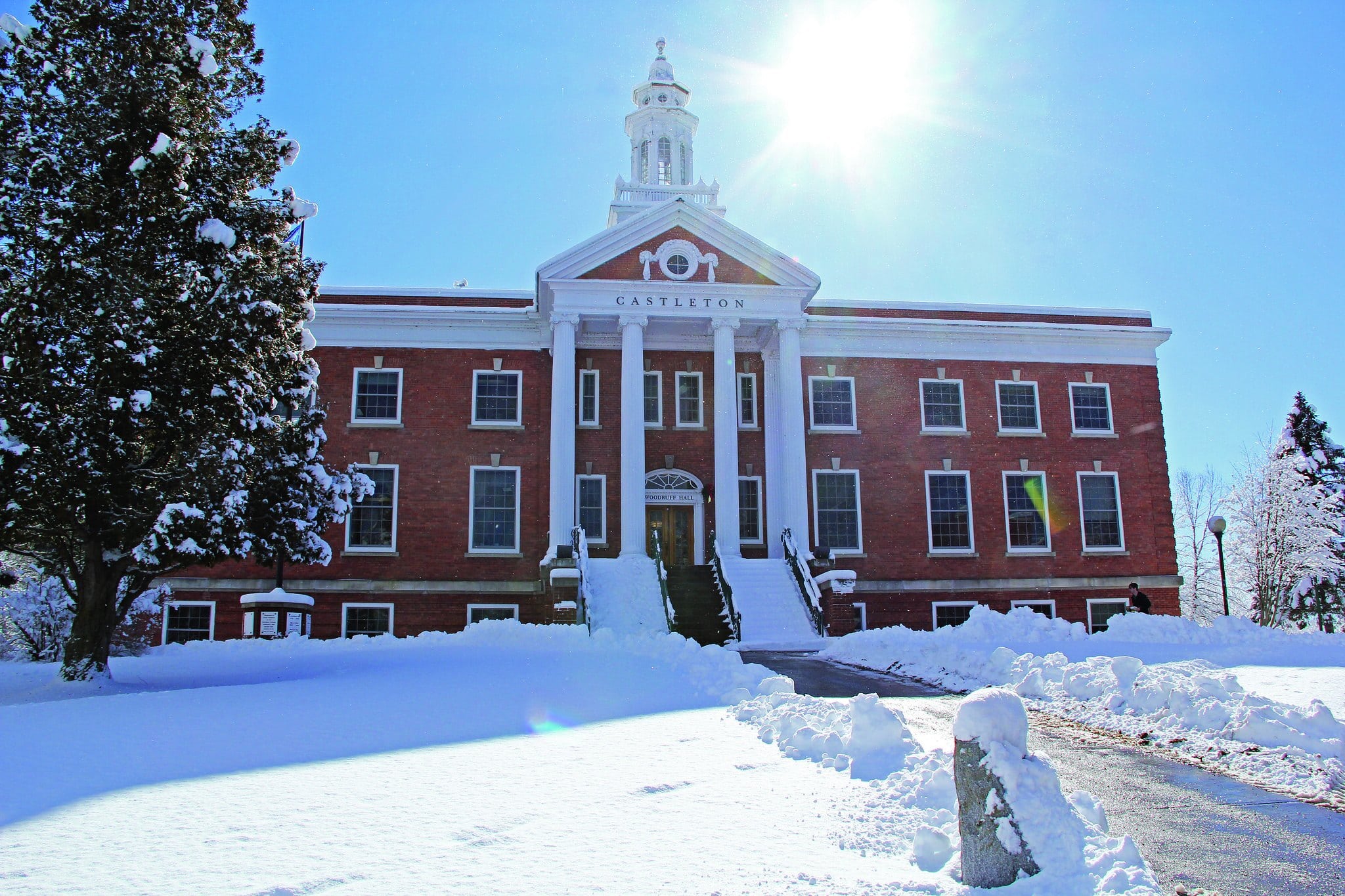
Headcounts declined 1.5% at the Johnson campus, 8.4% at the Castleton campus and 14.3% at the Randolph campus.
VTSU Communications Director Greta Hasler wrote in a Monday email that Fall 2025 residential and commuter headcounts by campus indicate there are 1,414 students at Castleton; 594 students at Williston; 453 students at Johnson; 408 students at Lyndon; and 365 students at Randolph.
She added that this does not include the university’s online students, satellite learning locations and other alternative learning sites and programs.
While Ouimet said he could not definitively say what residential capacity looks like on campuses, each campus does have at least one building offline.
“To give a number to say, ‘We could house 200 more students on this campus,’ I’d have to go and talk with (Residence) Life about that,” Ouimet said. “But we’re not at capacity. There is certainly room for more students on our campuses.”
Ouimet confirmed a decline in campus-based students, but added he was curious about how many commuters might have shifted to online learning in recent years.
“Our current enrollment numbers are also a reflection of the reality of the current higher education market: a student-demand-driven landscape that continues to change rapidly, requiring equally swift adaptation and innovation to stay relevant and competitive,” Bergh stated in the news release. At a Vermont State Colleges System update conference in October, Bergh said the number of 18-year-olds in the country has plunged in correlation with the 2008 financial crisis, and the international student population within the U.S. also fell by 20% this year.
Bergh said at the conference that while the university saw an application rate increase of 20% this year, it also saw an unprecedented number of withdrawals late this summer, which he attributed to students opting to attend other schools that opened wait lists and late discounting in response to the declining student population.