Dynamic Research of Arctic Cryospheric Organisms (DRACO) team studies polar environments–at the nanoscale
Eureka Weather Station can be found on Ellesmere Island in Nunavut, Canada, located at 80° north latitude, deep in the arctic. At only 10 degrees from the north pole, it’s farther north than anyone lives besides the rotating site staff and researchers, and is known as one of the coldest and driest places in Canada, functionally a polar desert.
It was the perfect place for Vermont State University’s DRACO team to conduct their final research mission, collecting permafrost and sea ice core samples for DNA extractions and X-ray imaging lab analysis. The cores they collect allows them to image microbes, create DNA libraries, and examine genes of interest. The technology the team is using enables them to study the microhabitats of permafrost, the structure of the environment in which organisms live, and how they respond to the changing structure of their environment, without destructing the samples.
“The arctic is the bellwether for anything happening with the earth’s climate,” said Dr. Ross Lieblappen, Associate Professor of Natural Sciences and DRACO team co-lead. “Our data is some of the most unique samples collected in the world and we have some of the highest resolution 3D images of permafrost ever collected. Permafrost around the world is thawing. We’re trying to answer the question of how microbes living in this environment may respond to that.”
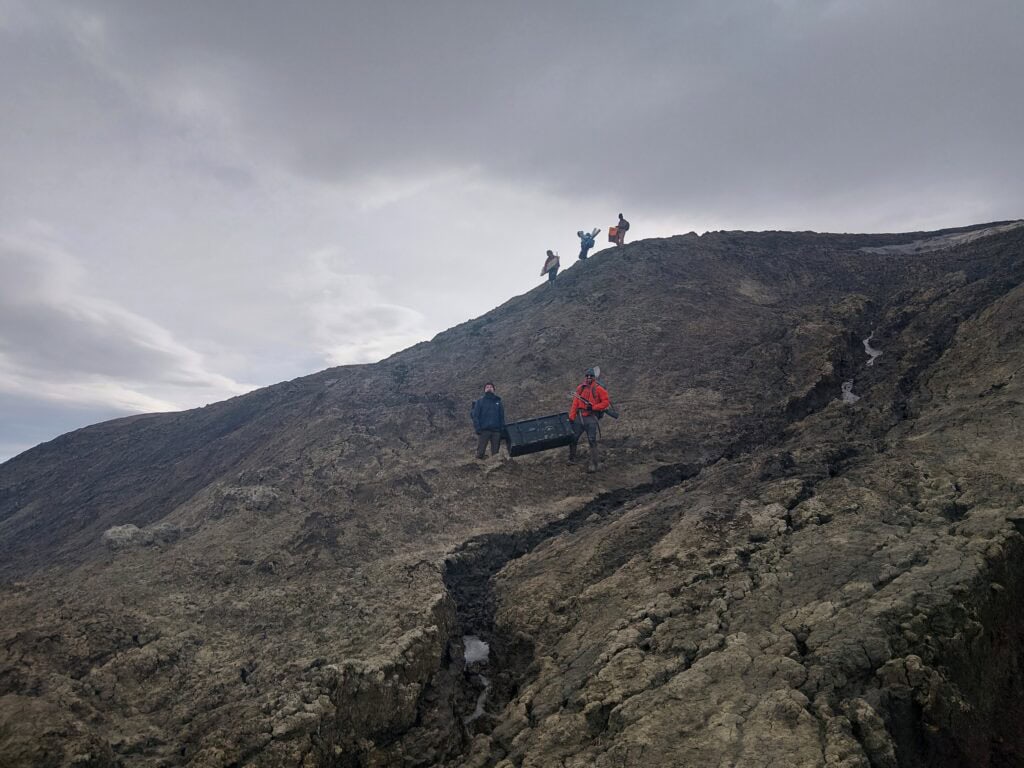
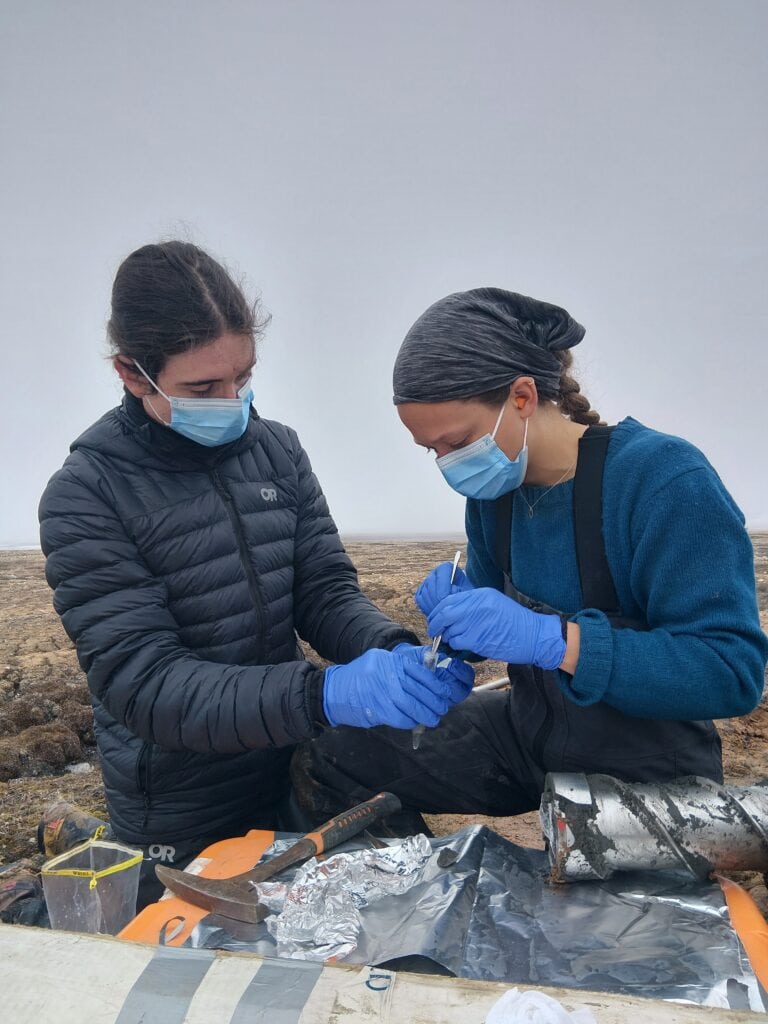
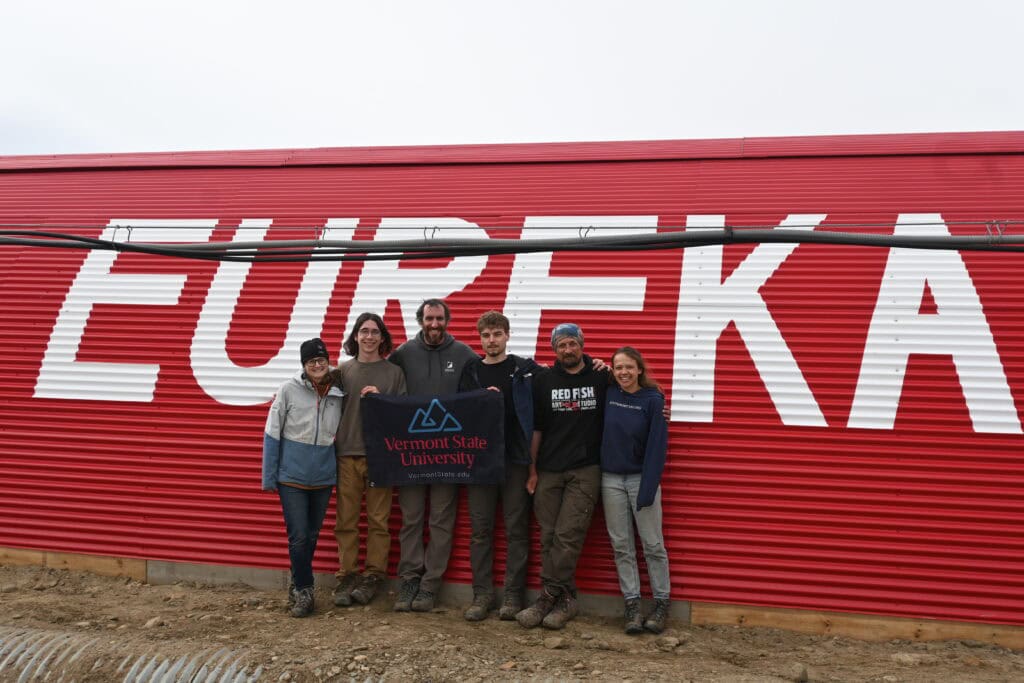
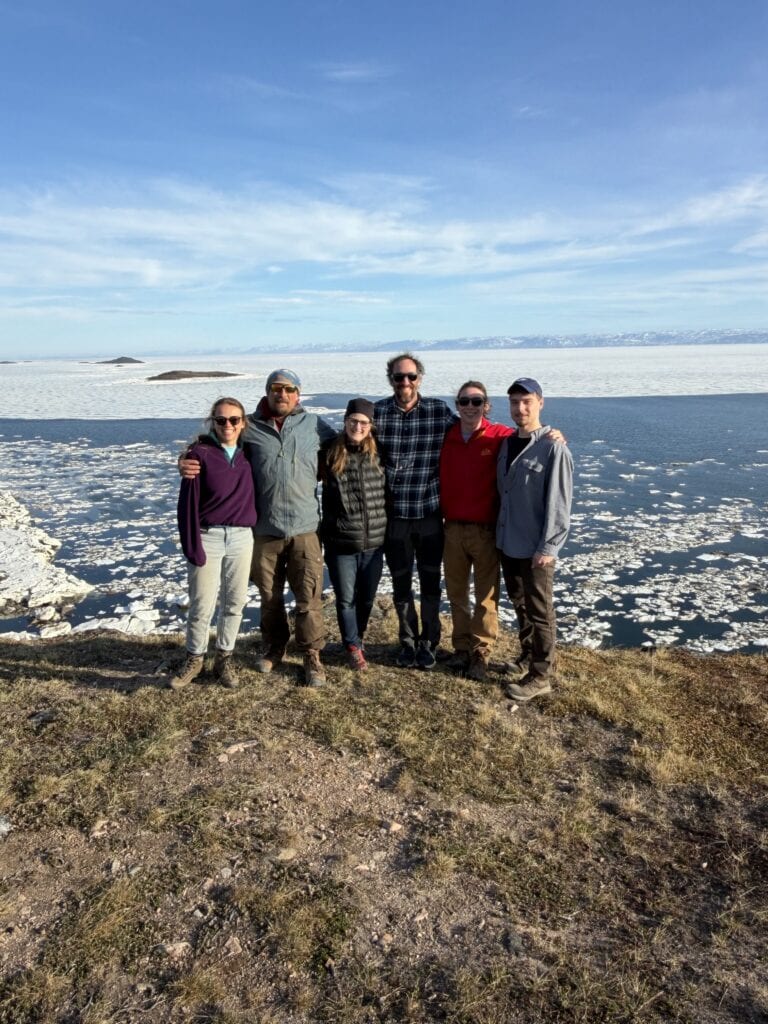
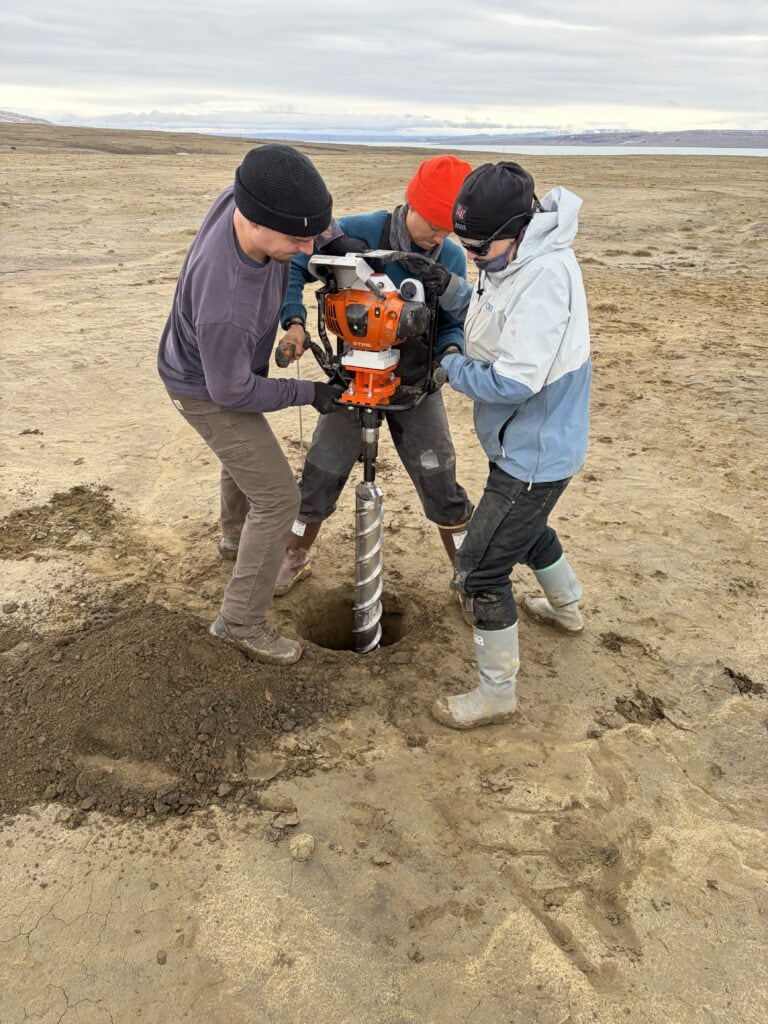
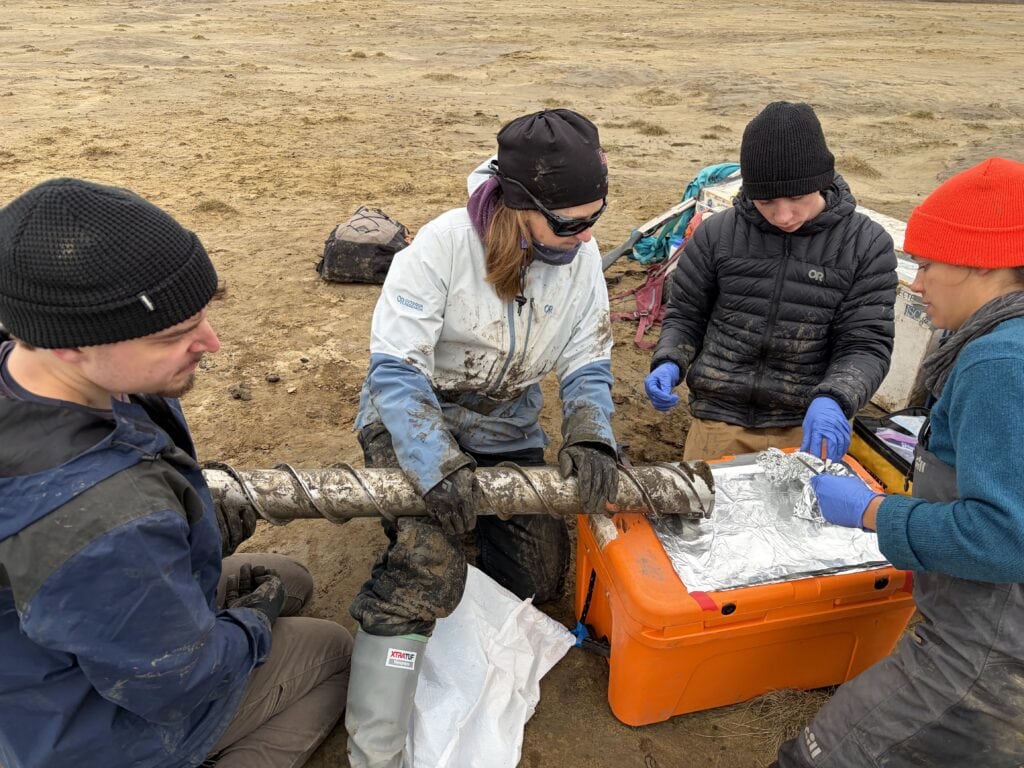
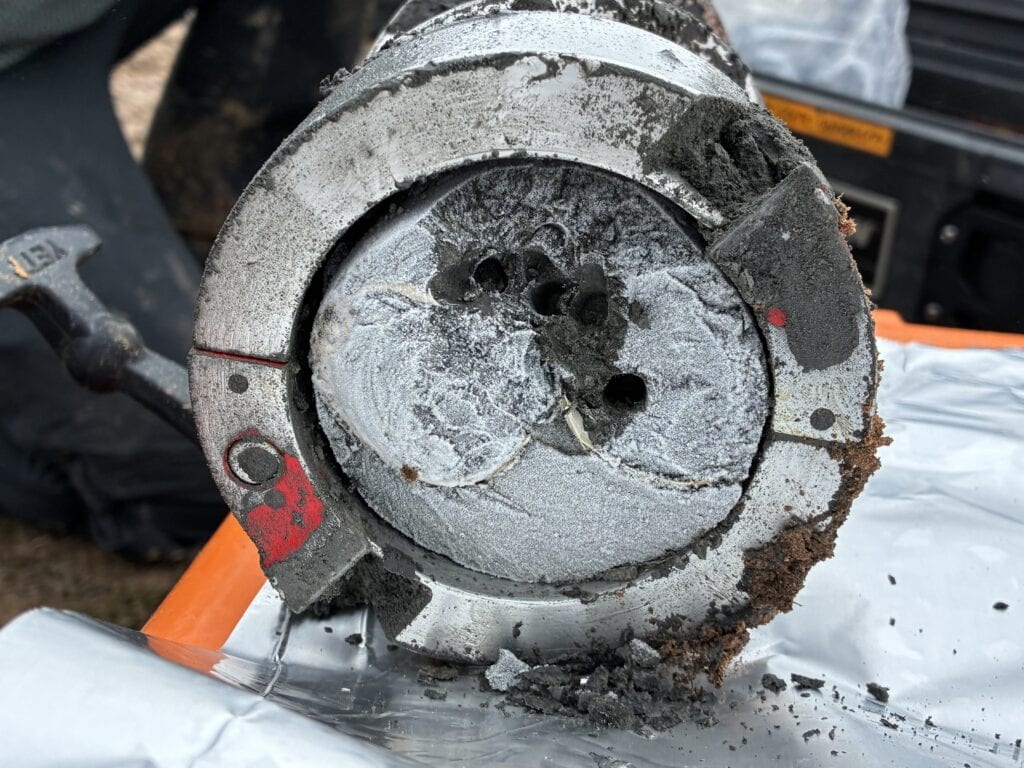
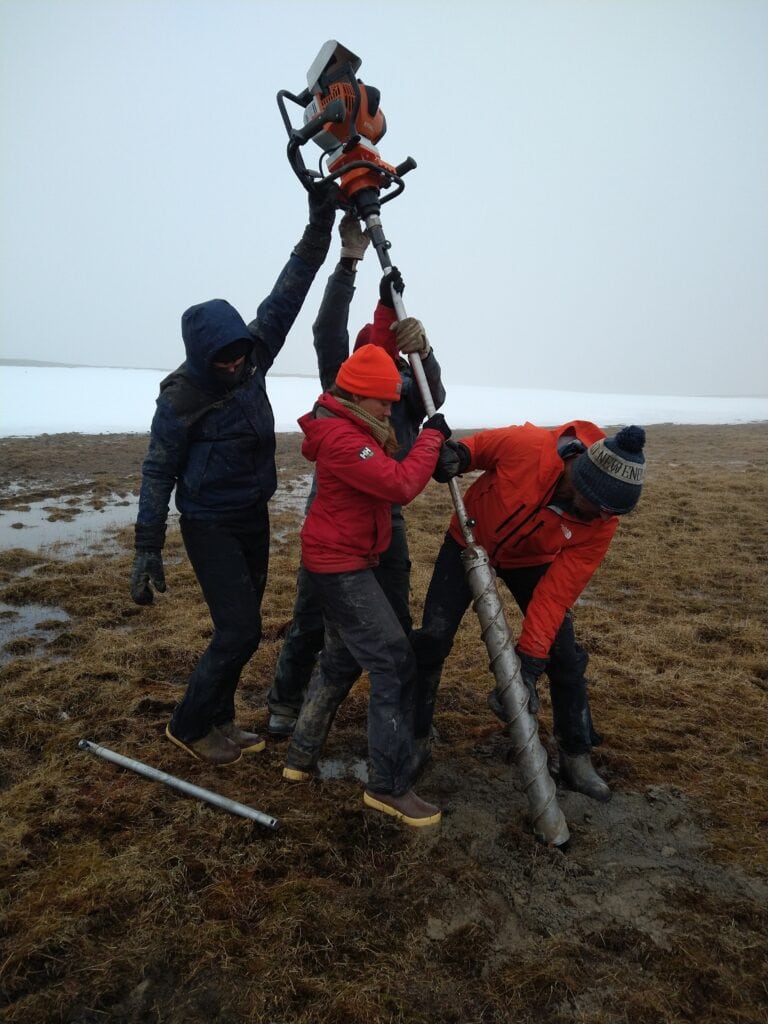
Over the last few years, the team has conducted five research trips to collect samples, culminating in this final trip to Eureka. They collected samples in Fairbanks, Alaska; Kangerlussuaq, Greenland; Utqiagvik, Alaska; Cambridge Bay on Victoria Island in Nunavut, Canada; and this summer, Ellesmere Island, Nunavut, Canada.
Each trip included Vermont State University students. Uniquely, the students hailed from a variety of Vermont State campuses and academic programs. While some studied in the natural sciences, others came from the university’s engineering programs. In total, eight have contributed to the project and seven have conducted field research on at least one trip.
“Complimentary skills are a huge benefit for the progress we’ve made,” noted Lieblappen. “You look at our team and see a diversity of majors and programs represented. That’s what’s made us so successful. I can teach anyone how to do the science, but when we’re in the field, we often need creative solutions to perform highly precise data collection with limited supplies. This includes repairing broken equipment or using whatever is around us to make sure we can collect our samples. We are constantly working as a team, relying on each other’s skills to solve problems with very limited resources. Sometimes we need a custom built tool, and it’s one of our student engineers who will design and 3D print the tool we need.”
Michelle Sama, Professor of Natural Sciences and DRACO co-lead added, “this has been such a life changing experience for the students. One of our engineering student researchers told us, ‘never in his wildest dreams did he expect to be doing environmental research in the arctic when he came here for his engineering degree.’ We have another who became proficient in metagenomics–DNA sequencing, a highly specialized bioinformatics tool for identifying organisms–using coding experience from their engineering degree.”
While the DRACO lab is on the Randolph campus, Professors Lieblappen and Sama teach across multiple campuses. The unified, multi-campus model of Vermont State University connected them with more colleagues, more students, and a diversity of talent across campuses. One student researcher, Olivia Rutkowski, is parlaying her experience with the DRACO project to her own research project on microplastics. She’s located on the Castleton campus and Professor Andy Vermilyea there joins in on some of the DRACO work and helps supervise Olivia’s research.
Sama shared, “these students are gaining incredible experience. Even beyond the research, the communications skills they are gaining from news interviews and conference presentations will uniquely prepare them to excel in their chosen field. This includes speaking at a national scientific conference in front of experts in the field as an undergraduate. These skills will serve them long after graduation and long after their work at DRACO concludes.” .
Charlie Schwenker is one of those students. He just entered his senior year in the Atmospheric Sciences program on the Lyndon campus. For close to a year, he’s been a student researcher on the DRACO project and describes it as “mindblowing” that this kind of opportunity existed for undergraduate students. “I didn’t expect, whatsoever, to be doing the field work and experiential learning that came along with this project,” he said. “But at a small, close knit school like Vermont State, just getting to know your professors and their work can open so many opportunities.”
The student researchers work about ten hours per week during the academic year and full-time in the summer, in addition to the intensive 2-3 week Arctic field campaigns.
For Schwenker, the experience with the DRACO research has helped him narrow his future plans on a research or teaching career, focused on polar climate work. He’s continued working on the metagenomics side of the project, profiling the microbial communities in the samples and processing and coding the work on a supercomputer. “This has made a big impact on where I’m headed,” he shared. “I’m definitely glad I came to Vermont State University and responded to my advisor last year when they said DRACO was looking for more student help.”
Another student, Nik Buonocor is based on the Castleton campus and joined the lab as a McNair scholar and Vermont Biomedical Research Network (VBRN) undergraduate researcher. Her work focuses on defining phenotypic characteristics of permafrost microbes, specifically metabolic pathways. She will be staying on in the lab during her last semester at VTSU this fall, with the hopes of linking her findings back to antimicrobial resistance. Buonocor will be presenting her work at the upcoming McNair Undergraduate Research Symposium on September 18th at the Castleton Campus and again at AGU’s annual meeting (AGU is a scientific organization specifically for earth and space sciences) in San Francisco, California in December.
In addition to presenting at several national conferences and outreach at elementary and high schools, the DRACO team has submitted one scientific paper and is in the process of writing two more. But there is more analysis they can do, especially as they have some of the only samples of this kind collected from these remote arctic locations. As the team finishes up their current work, they will also be looking for future opportunities for grants and research funding.
In the meantime, the DRACO lab is a popular opportunity at Vermont State, piquing interest across campuses and programs as students hear more and more about the unique research opportunities associated with it and their peer’s trips to the arctic.
For more information on the DRACO lab, its student researchers, and its work, visit https://vermontstate.edu/centers-research/draco/.