

A group of small school kids with teacher sitting on the floor in class, talking.

Elementary Education with Special Education, M.A.


In-person practicum and teaching internship in local schools.


What is an Online program?

Online programs: Teaching and learning takes place over the internet, allowing students to access course materials, interact with instructors and peers, and complete assignments remotely. Some programs may require in-person meetings, residency, or fieldwork.

Vermont State’s Master of Arts in Elementary Education with Special Education offers an innovative and rigorous academic program that integrates Elementary Education (K-6) and Special Education (K-8) competencies to prepare you to teach children of all backgrounds and learning abilities. Online courses and in-person fieldwork make this program accessible and practical for working professionals.

You’ll gain practical knowledge of the theories, research, standards, and norms that affect schools and informal educational settings. Through course work and practicum experiences, you will develop skills to become a knowledgeable inclusive childhood education professional, prepared to pursue excellence and equity for all learners.

We are here to answer your questions about Vermont State University.

Request Information

Why Study Elementary Education with Special Education at Vermont State?

  • Broad Preparation: Vermont State’s M.A. in Elementary Education with Special Education integrates Elementary Education (K-6) and Special Education (K-8) competencies to prepare you to teach children of all backgrounds and learning abilities. Upon completing the program, you’ll be prepared for the Initial Educator license exam with teaching endorsements in Elementary Education (K-6) and Special Education (K-8). 
  • Strengths-Based Focus: Guide your students to develop wellbeing and empathy through the strengths-based and inclusive approach to learning taught at Vermont State. 
  • An In-Demand Field: K-6 teachers are in demand, with a projected 4% annual growth in this field coupled with 120,300 openings annually through 2031 due to retirement and career changes. (U.S. Bureau of Labor Statistics
  • Flexible Schedule: The program is designed for part-time enrollment so you can study while working full-time, or full-time enrollment to complete more quickly. Courses are online for your convenience and to help you avoid excessive travel in difficult weather conditions. You may complete the licensure portion of the program first to seek a teaching position, then complete the remaining coursework for the master’s degree over time. Our Placement Office will help you locate a local school for practicum and internship experiences. 

Start Terms for Elementary Education with Special Education, M.A.

  • Online Summer 1 – May 2, 2026
  • Online Fall 1 – August 22, 2026
  • Online Spring 1 – January 19, 2027

Request Information

Loading…

Student Stories

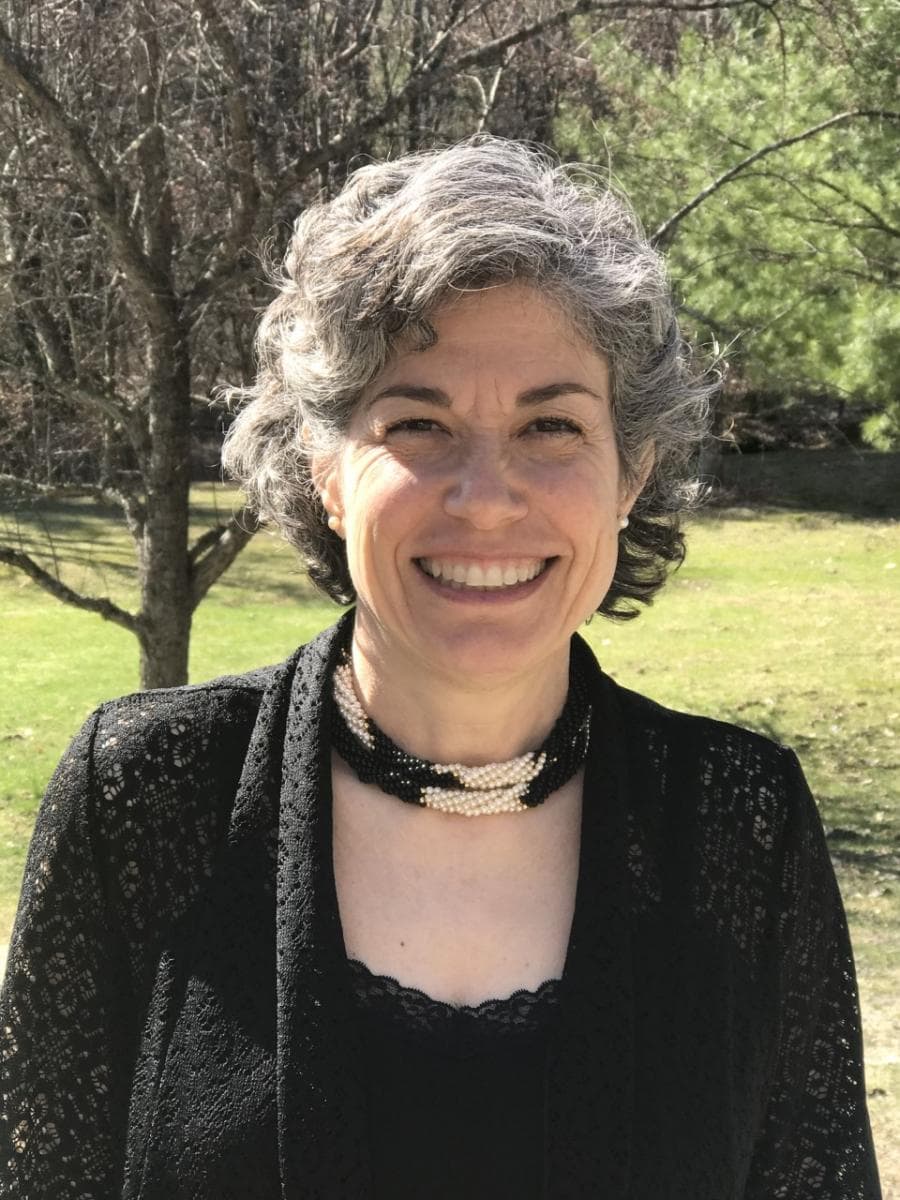
woman stands outside

“Yes, I expected to take courses that would lead to a Vermont teaching credential. But what I received was insightful guidance from educational experts who prepared me for my reimagined teaching career. Special education wasn’t on my radar, but the addition has opened doors to a wider range of opportunities than I would have had without it.”

Minda Moskowitz

Associate Professor

  • Johnson Campus

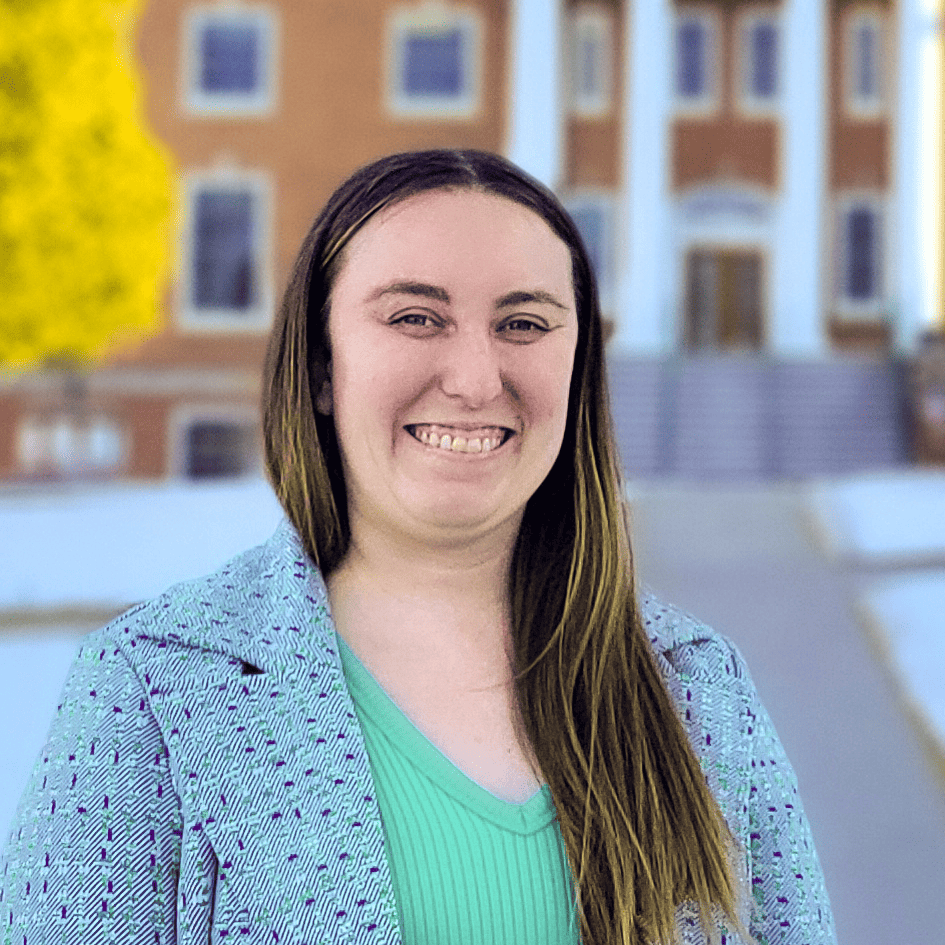
Hannah Miller smiling at the camera

Faculty

  • Johnson Campus

Davig McCough wearing a blue button up shiry, black suit, and round glasses smiling at the camera.

Dean, Graduate Programs

  • Johnson Campus

Michaela Stone smiling at the camera

Assistant Professor

  • Lyndon Campus

Associate Professor

  • Castleton Campus

Professor/Licensure Officer

  • Castleton Campus

Woman with blonde hair smiles at the camera.

Department Chair/Professor

  • Castleton Campus

Monica McEnerny

Associate Professor

  • Castleton Campus

Ready to Take the Next Step?

Happy high school teacher talking to her student while walking through the hallway.

Educational Leadership, M.A.


What is an Online program?

Online programs: Teaching and learning takes place over the internet, allowing students to access course materials, interact with instructors and peers, and complete assignments remotely. Some programs may require in-person meetings, residency, or fieldwork.

Learn to create the kind of school environment where students realize their potential as citizens in a complex and changing world.  

This 36-credit Educational Leadership master’s degree from Vermont State combines online courses and a two-year in-person fieldwork project. Through this program, you will put what you’re learning to work right away to effect positive change and increase inclusivity in your school while you learn.

Preparation for the Principalship Endorsement is part of the Educational Leadership degree program. Participants with a previous master’s degree may complete the Principalship Endorsement courses in 22 credits. 

We are here to answer your questions about Vermont State University.

Request Information

Why Get a Master’s in Educational Leadership at Vermont State?

  • Prepare to lead: Take your career path from teacher-leader to school-leader and prepare for your Principalship Endorsement.  
  • Improve education for all: Explore educational leadership through the lens of academic excellence, cultural inclusion, instruction, and compassion to create educational environments that support students and the whole community.    
  • Create change right away: With close faculty supervision, develop a two-year project to effect change in your school while you’re studying with Vermont State.   

Request Information

Loading…

Meet Our Faculty
Associate Professor

  • Castleton Campus

Professor/Licensure Officer

  • Castleton Campus

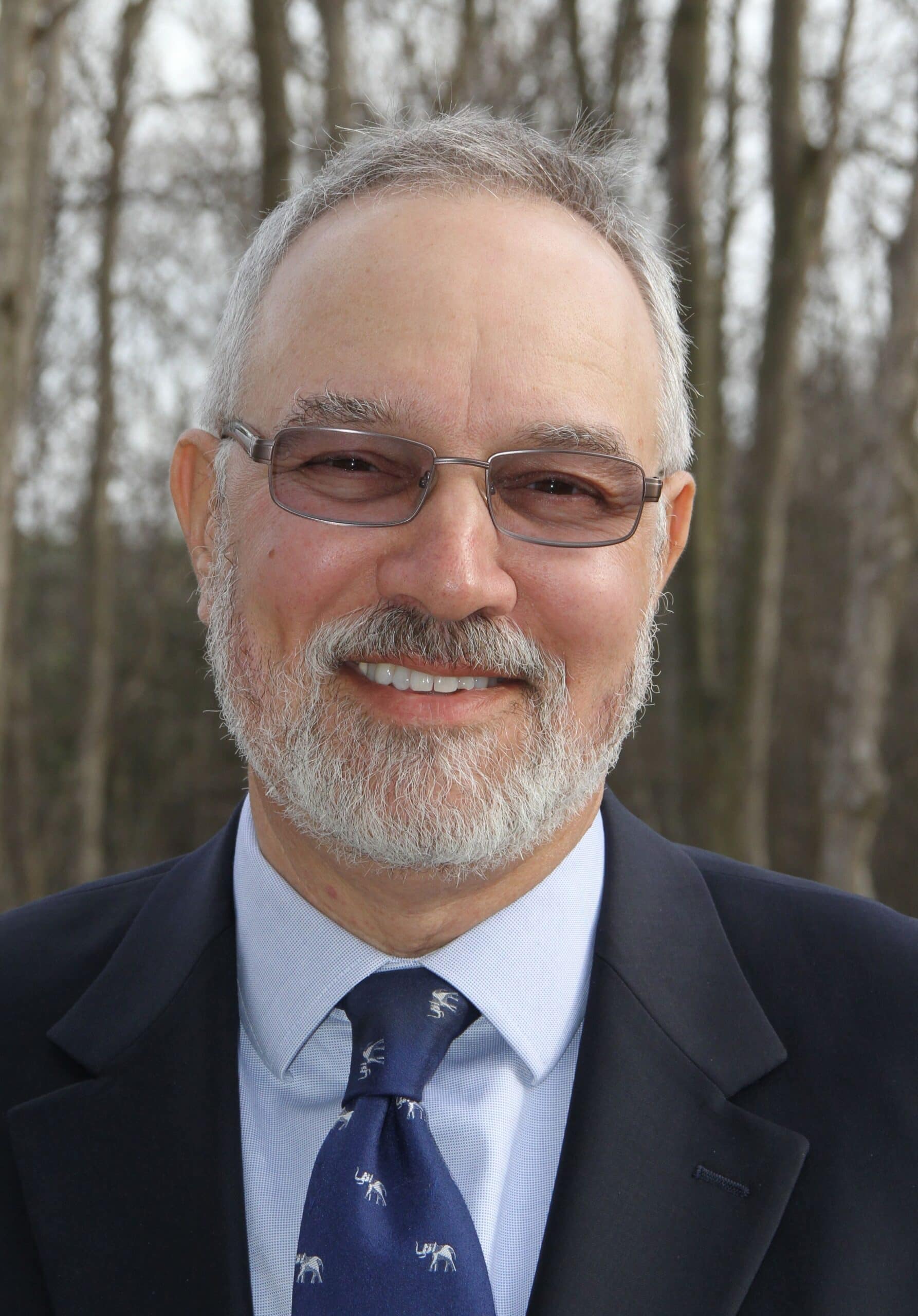
Man in a suite and tie, smiles at the camera with trees in the background.

Adjunct Professor

  • Castleton Campus

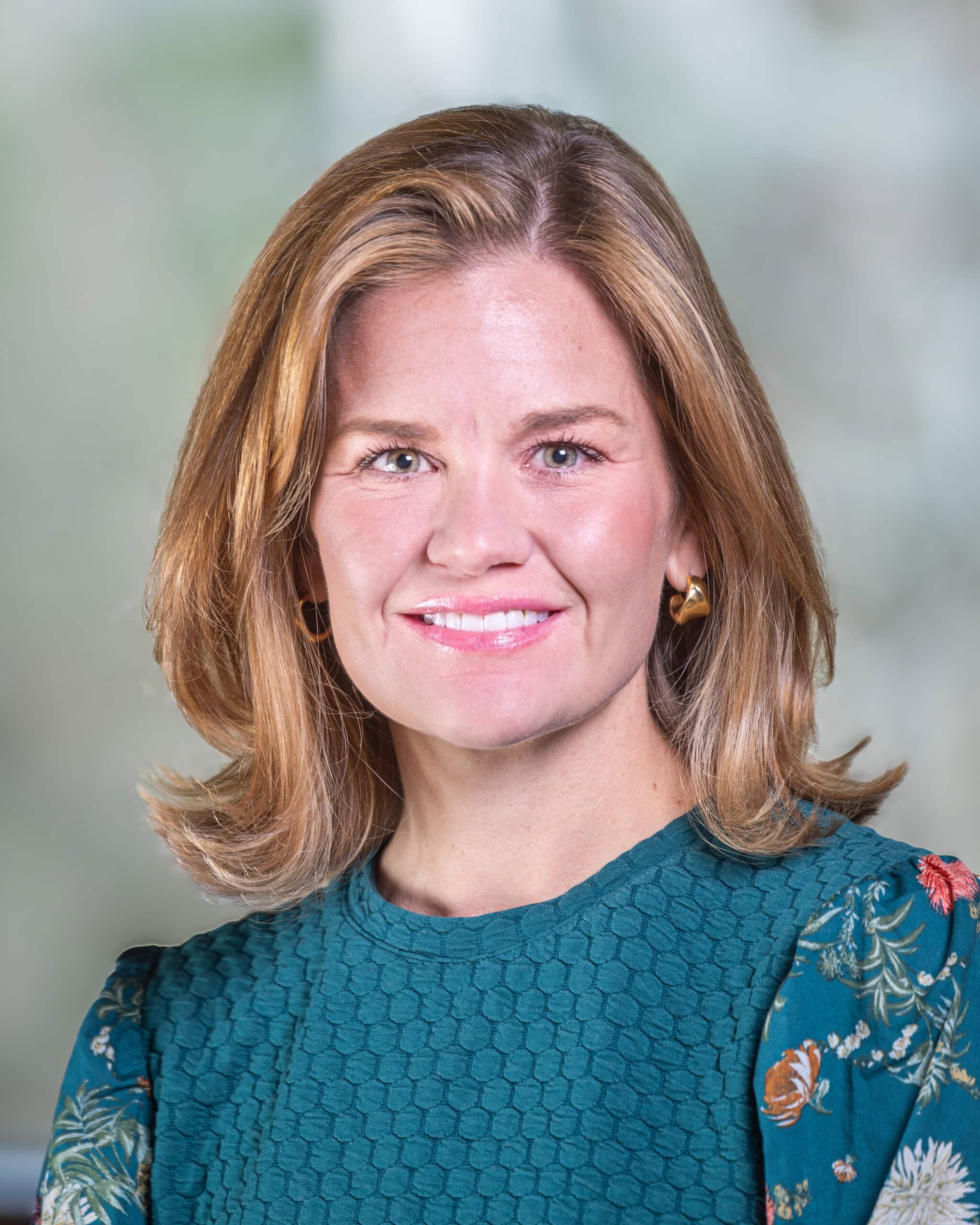
Sarah Griffin, a woman with shoulder length blonde hair wearing a teal blue shirt and smiling at the camera.

Assistant Professor

  • Johnson Campus

Ready to Take the Next Step?

Group of young high school multiracial students in class.

Secondary Social Studies Education, M.A.


Online classes with in-person practicum and student teaching in schools near you.


What is an Online program?

Online programs: Teaching and learning takes place over the internet, allowing students to access course materials, interact with instructors and peers, and complete assignments remotely. Some programs may require in-person meetings, residency, or fieldwork.

In Vermont State’s M.A. in Secondary Social Studies Education, you will augment your expertise in social studies with a deep understanding of how adolescents learn and how high schools function. You’ll be ready to help stimulate your students’ natural curiosity and encourage them to investigate how cultures and societies change.

You’ll have numerous hands-on, in-the-classroom opportunities that will let you put theory into practice as you prepare for licensure with a Social Studies Endorsement. You’ll graduate as an experienced professional ready to lead your own classes.

We are here to answer your questions about Vermont State University.

Request Information

Why Get a Master’s in Secondary Social Studies Education at Vermont State?

  • High Demand: Vermont and many other states need more teachers, and we’ll prepare you for immediate success in the classroom. Nearly 100% of our recent graduates are employed in the field. 
  • High Impact: Teaching is as rewarding as it is demanding. Our master’s degree program will enable you to pursue a fulfilling career as you enrich your school communities and the lives of your students. 
  • Experience: Thanks to the many hands-on, experiential opportunities we offer, you’ll spend considerable time practicing direct instruction. 
  • Flexibility: With online courses and in-person fieldwork, you be able to create a degree plan for part-time study that fits your schedule and location. 
  • Social Justice Emphasis: You will prepare to advance social justice, embrace difference, and advocate for inclusion by becoming a knowledgeable professional with the courage to pursue excellence and equity for all learners.  

Start Terms for Secondary Social Studies Education, M.A.

  • Online Summer 1 – May 2, 2026
  • Online Fall 1 – August 22, 2026
  • Online Spring 1 – January 19, 2027

Request Information

Loading…

Associate Professor

  • Johnson Campus

Associate Professor

  • Castleton Campus

Hannah Miller smiling at the camera

Faculty

  • Johnson Campus

Davig McCough wearing a blue button up shiry, black suit, and round glasses smiling at the camera.

Dean, Graduate Programs

  • Johnson Campus

Woman with blonde hair smiles at the camera.

Department Chair/Professor

  • Castleton Campus

Monica McEnerny

Associate Professor

  • Castleton Campus

Professor/Licensure Officer

  • Castleton Campus

Michaela Stone smiling at the camera

Assistant Professor

  • Lyndon Campus

Ready to Take the Next Step?

Group of students taking a science class.

Secondary Science Education, M.A. 


Online classes with in-person practicum and student teaching in schools near you.


What is an Online program?

Online programs: Teaching and learning takes place over the internet, allowing students to access course materials, interact with instructors and peers, and complete assignments remotely. Some programs may require in-person meetings, residency, or fieldwork.

In Vermont State’s M.A. in Secondary Science Education, you’ll gain the expertise to help students investigate the natural world and search for answers to increasingly sophisticated questions. As you study for your initial license with a Science endorsement, you’ll learn how to combine your expertise in science with a thorough understanding of critical perspectives and theories on education. You’ll also learn how to leverage your students’ innate curiosity and desire to understand the natural world. You’ll be able to demonstrate the value of the scientific method and show diverse learners how to apply systematic, logical thinking in their day-to-day lives.

We are here to answer your questions about Vermont State University.

Request Information

Why Get a Master’s in Secondary Science Education at Vermont State?

  • High Demand: Nearly 100% of our graduates are working in education, and science teachers are in short supply in Vermont and throughout the country. A master’s degree from Vermont State will prepare you to enter the classroom immediately after graduation. 
  • High Impact: Scientific literacy is now more important than ever, and as a high school teacher you’ll be able to shape students’ understanding and perception of science and of themselves as scientists. 
  • Experience: You’ll gain ample teaching experience through two practicum experiences and a full-time, full-semester internship. Our Teacher Education Placement Office can assist you with finding the right field placement. 
  • Flexibility: With online classes and in-person fieldwork, you’ll be able to build a degree plan that works for your schedule and location. 

Start Terms for Secondary Science Education, M.A. 

  • Online Summer 1 – May 2, 2026
  • Online Fall 1 – August 22, 2026
  • Online Spring 1 – January 19, 2027

Request Information

Loading…

Associate Professor

  • Johnson Campus

Associate Professor

  • Castleton Campus

Hannah Miller smiling at the camera

Faculty

  • Johnson Campus

Davig McCough wearing a blue button up shiry, black suit, and round glasses smiling at the camera.

Dean, Graduate Programs

  • Johnson Campus

Woman with blonde hair smiles at the camera.

Department Chair/Professor

  • Castleton Campus

Monica McEnerny

Associate Professor

  • Castleton Campus

Professor/Licensure Officer

  • Castleton Campus

Michaela Stone smiling at the camera

Assistant Professor

  • Lyndon Campus

Ready to Take the Next Step?

Bald professor and young mixed-race student standing by blackboard and discussing solution of equation at lesson.

Secondary Math Education, M.A.


Online classes with in-person practicum and student teaching in schools near you.


What is an Online program?

Online programs: Teaching and learning takes place over the internet, allowing students to access course materials, interact with instructors and peers, and complete assignments remotely. Some programs may require in-person meetings, residency, or fieldwork.

Vermont State’s M.A. in Secondary Math Education will help you to shape adolescents into more sophisticated thinkers. You’ll learn how to help your students improve their logical and spatial reasoning, problem-solving, and rational analysis, and you’ll be ready to demonstrate practical applications of math.

You’ll combine your expertise in math with a mastery of adolescent development to become a confident, capable high school math teacher. Prepare to earn your initial license and discover how to use your passion for math to make a difference in the lives of your students.

We are here to answer your questions about Vermont State University.

Request Information

Why Get a Master’s in Secondary Math Education at Vermont State?

  • High Demand: Math teachers are in high demand in Vermont and many other states, and a master’s degree in education from Vermont State will give you a distinct advantage over other candidates in the job market. Nearly 100% of recent graduates are employed full time in the field. 
  • High Impact: In a world that is increasingly driven by data, it is more important than ever that citizens develop mathematical literacy. As a high school teacher, you’ll be able to significantly impact your students and their confidence as mathematicians. 
  • Experience: We prioritize experiential learning, so you’ll graduate having spent considerable time working directly with students. 
  • Flexibility: With online classes and in-person fieldwork, you’ll be able to build a degree plan that works for your schedule and location. 

Start Terms for Secondary Math Education, M.A.

  • Online Summer 1 – May 2, 2026
  • Online Fall 1 – August 22, 2026
  • Online Spring 1 – January 19, 2027

Request Information

Loading…

Associate Professor

  • Johnson Campus

Associate Professor

  • Castleton Campus

Hannah Miller smiling at the camera

Faculty

  • Johnson Campus

Davig McCough wearing a blue button up shiry, black suit, and round glasses smiling at the camera.

Dean, Graduate Programs

  • Johnson Campus

Woman with blonde hair smiles at the camera.

Department Chair/Professor

  • Castleton Campus

Monica McEnerny

Associate Professor

  • Castleton Campus

Professor/Licensure Officer

  • Castleton Campus

Michaela Stone smiling at the camera

Assistant Professor

  • Lyndon Campus

Ready to Take the Next Step?

Rear view of a male teacher in front of a class of high school students.

Secondary English Education, M.A.


Online classes with in-person practicum and student teaching in schools near you.


What is an Online program?

Online programs: Teaching and learning takes place over the internet, allowing students to access course materials, interact with instructors and peers, and complete assignments remotely. Some programs may require in-person meetings, residency, or fieldwork.

Vermont State’s M.A. in Secondary English Education helps you develop the expertise to teach literature, media, and writing at the high school level. You’ll be ready to inspire students to develop a love of reading and writing and equip them with the critical analytical skills they’ll need to navigate a world that is increasingly complex and digital.

Through our innovative learning opportunities, you’ll gain a thorough understanding of secondary schools and adolescent learning and development. Combining what you’ll learn about the fundamentals of education and instruction with your English expertise will make you an excellent teacher capable of delivering engaging content and supporting all types of learners.

We are here to answer your questions about Vermont State University.

Request Information

Why Get a Master’s in Secondary English Education at Vermont State?

  • High Demand: In Vermont and many other states, teachers are in short supply. Our degree and licensure program is designed to prepare you to enter the classroom immediately after graduation. Close to 100% of our graduates are now full-time teachers. 
  • High Impact: In today’s age of abundant information and media, English teachers are more important than ever. At Vermont State, we’ll help you become a teacher who will have a lasting impact by motivating students to develop the literacy and analytical skills they’ll need to interpret information responsibly. 
  • Experience: Multiple opportunities for direct interaction with high school students will enable you to practice implementing what you learn in your own courses. 
  • Flexibility: With online classes and in-person fieldwork, you’ll be able to build a degree plan that works for your schedule and location. 

Start Terms for Secondary English Education, M.A.

  • Online Summer 1 – May 2, 2026
  • Online Fall 1 – August 22, 2026
  • Online Spring 1 – January 19, 2027

Request Information

Loading…

Associate Professor

  • Johnson Campus

Associate Professor

  • Castleton Campus

Hannah Miller smiling at the camera

Faculty

  • Johnson Campus

Davig McCough wearing a blue button up shiry, black suit, and round glasses smiling at the camera.

Dean, Graduate Programs

  • Johnson Campus

Woman with blonde hair smiles at the camera.

Department Chair/Professor

  • Castleton Campus

Monica McEnerny

Associate Professor

  • Castleton Campus

Professor/Licensure Officer

  • Castleton Campus

Michaela Stone smiling at the camera

Assistant Professor

  • Lyndon Campus

Ready to Take the Next Step?

Theater Arts teacher teaching a improv drama class.

Theater Arts Education, M.A.


Online classes with in-person practicum and student teaching in schools near you.


What is an Online program?

Online programs: Teaching and learning takes place over the internet, allowing students to access course materials, interact with instructors and peers, and complete assignments remotely. Some programs may require in-person meetings, residency, or fieldwork.

Designed for either current teachers or career changers who have a liberal arts degree or a formal background in theater and performance arts, the Theater Arts and Drama Education degree will develop your expertise in curriculum and instruction and prepare you to lead a school’s theater and drama program. The curriculum will enable you to inspire students to design and enact creative public performance arts that build essential life skills such as social and emotional wellbeing, spur social activism for local change, and create more inclusive and vibrant communities. An interdisciplinary curriculum in education and a mixture of online and practicum experiences in local schools near you provide comprehensive preparation for career changers looking to become a teacher online.

We are here to answer your questions about Vermont State University.

Request Information

Why Get a Master’s in Theater Arts Education at Vermont State?

  • High Demand: Teachers are in high demand in Vermont and across the country. 
  • High Impact: At Vermont State you’ll develop knowledge and skills that will enable you to have an immediate impact on your schools and students. 
  • Practical Experience: Our courses are designed to immerse you in the field so you can gain practical experience. 
  • Strengths-Based Focus: Guide your students to develop wellbeing and empathy through the strengths-based and inclusive approach to learning taught at Vermont State. 
  • Flexible Scheduling: Participants may complete the licensure portion of the program first in order to seek a teaching position, then complete the remaining coursework for the master’s degree over time. Our Placement Office will help you locate a local school for practicum and internship experiences. 

Start Terms for Theater Arts Education, M.A.

  • Online Summer 1 – May 2, 2026
  • Online Fall 1 – August 22, 2026
  • Online Spring 1 – January 19, 2027

Request Information

Loading…

Associate Professor

  • Johnson Campus

Associate Professor

  • Castleton Campus

Hannah Miller smiling at the camera

Faculty

  • Johnson Campus

Davig McCough wearing a blue button up shiry, black suit, and round glasses smiling at the camera.

Dean, Graduate Programs

  • Johnson Campus

Woman with blonde hair smiles at the camera.

Department Chair/Professor

  • Castleton Campus

Monica McEnerny

Associate Professor

  • Castleton Campus

Professor/Licensure Officer

  • Castleton Campus

Michaela Stone smiling at the camera

Assistant Professor

  • Lyndon Campus

Ready to Take the Next Step?

Male and female students singing in a choir.

Music Education, M.A.


Online classes with in-person practicum and student teaching in schools near you.


What is an Online program?

Online programs: Teaching and learning takes place over the internet, allowing students to access course materials, interact with instructors and peers, and complete assignments remotely. Some programs may require in-person meetings, residency, or fieldwork.

Designed for either current teachers or career changers who have a liberal arts degree or a formal background in music and performance, the Music Education degree will develop your expertise in curriculum and instruction and prepare you to lead a school’s music program. The curriculum will enable you to guide students through a school’s music program across all developmental phases. A mixture of online and practicum experiences in local schools near you provide comprehensive preparation for career changers.

We are here to answer your questions about Vermont State University.

Request Information

Why Get a Master’s in Music Education at Vermont State?

  • High Demand: Teachers are in high demand in Vermont and across the country. 
  • High Impact: At Vermont State you’ll develop knowledge and skills that will enable you to have an immediate impact on your schools and students. 
  • Practical Experience: Our courses are designed to immerse you in the field so you can gain practical experience. 
  • Strengths-Based Focus: Guide your students to develop wellbeing and empathy through the strengths-based and inclusive approach to learning taught at Vermont State. 
  • Flexible Schedule: The program is designed for part-time enrollment so you can study while working full-time, or full-time enrollment to complete more quickly. Courses are online to increase access and avoid excessive travel in difficult weather conditions. Participants may complete the licensure portion of the program first in order to seek a teaching position, then complete the remaining coursework for the master’s degree over time. Our Placement Office will help you locate a local school for practicum and internship experiences.

Start Terms for Music Education, M.A.

  • Online Summer 1 – May 2, 2026
  • Online Fall 1 – August 22, 2026
  • Online Spring 1 – January 19, 2027

Request Information

Loading…

Associate Professor

  • Johnson Campus

Associate Professor

  • Castleton Campus

Hannah Miller smiling at the camera

Faculty

  • Johnson Campus

Davig McCough wearing a blue button up shiry, black suit, and round glasses smiling at the camera.

Dean, Graduate Programs

  • Johnson Campus

Woman with blonde hair smiles at the camera.

Department Chair/Professor

  • Castleton Campus

Monica McEnerny

Associate Professor

  • Castleton Campus

Professor/Licensure Officer

  • Castleton Campus

Michaela Stone smiling at the camera

Assistant Professor

  • Lyndon Campus

Ready to Take the Next Step?

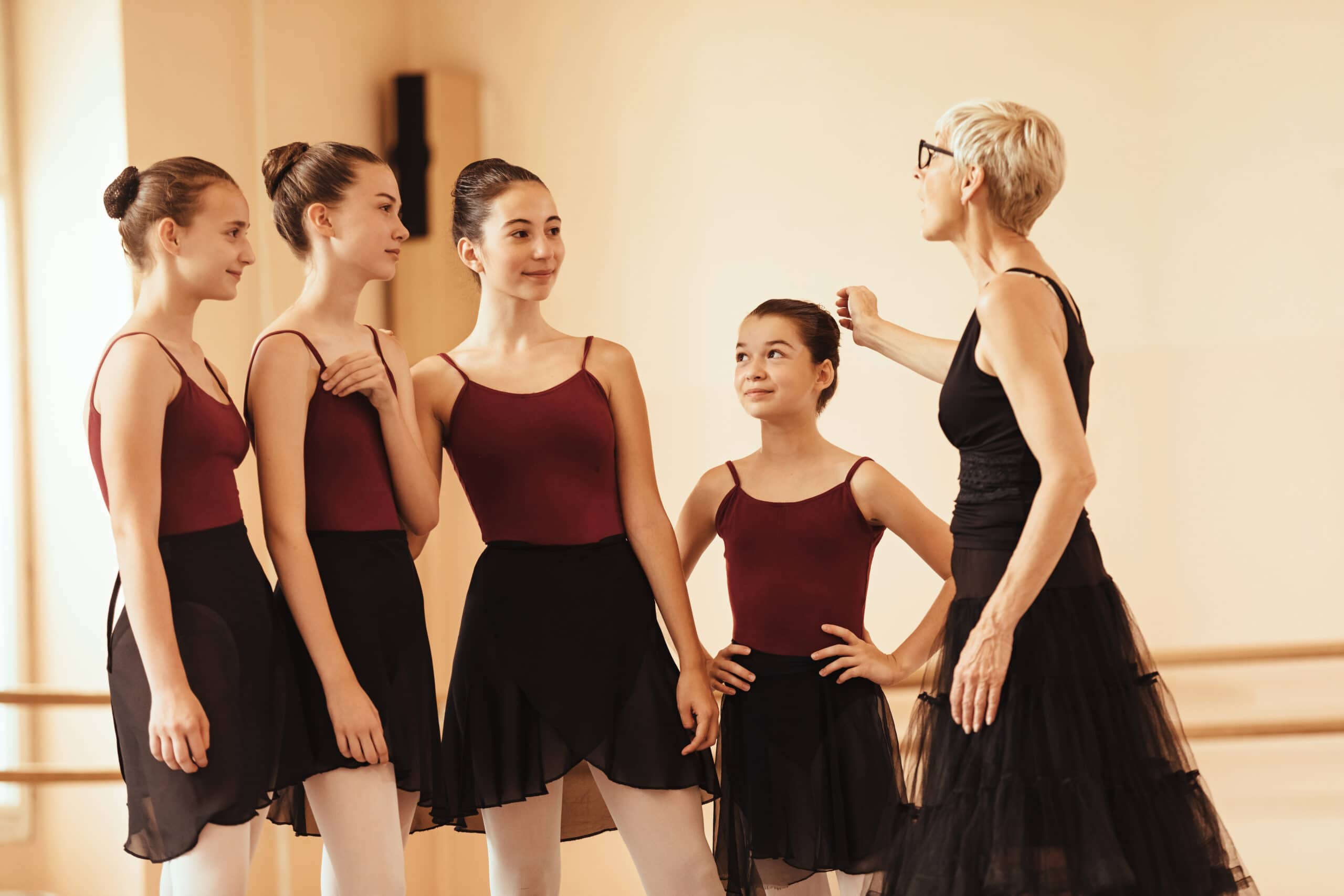
Group of ballerinas and their instructor talking during ballet class at dance studio.

Dance Education, M.A.


Online classes with in-person practicum and student teaching in schools near you.


What is an Online program?

Online programs: Teaching and learning takes place over the internet, allowing students to access course materials, interact with instructors and peers, and complete assignments remotely. Some programs may require in-person meetings, residency, or fieldwork.

Designed for either current teachers or career changers who have a liberal arts degree or a formal background in dance and performance, the Dance Education degree will develop your expertise in curriculum and instruction and prepare you to become a dance teacher. The curriculum will enable you to guide students through a school’s dance program across all developmental phases. Coupled with your expertise in dance, the knowledge you’ll gain in our master’s degree program will make you an experienced professional capable of leading dance and movement classes that help students develop confidence and body awareness.

Through our Master of Arts in Dance Education program, you will be eligible for initial licensure as a new teacher or to add the dance endorsement to your current license. An interdisciplinary curriculum in education and a mixture of online and practicum experiences in local schools near you provide comprehensive preparation for career changers.

We are here to answer your questions about Vermont State University.

Request Information

Why Get a Master’s in Dance Education at Vermont State?

  • High Demand: Teachers are in high demand in Vermont and across the country. 
  • High Impact: At Vermont State you’ll develop knowledge and skills that will enable you to have an immediate impact on your schools and students. 
  • Practical Experience: Our courses are designed to immerse you in the field so you can gain practical experience. 
  • Strengths-Based Focus: Guide your students to develop wellbeing and empathy through the strengths-based and inclusive approach to learning taught at Vermont State. 
  • Flexible Scheduling: The program is designed for part-time enrollment so you can study while working full-time, or full-time enrollment to complete more quickly. Courses are online to increase access and avoid excessive travel in difficult weather conditions. Participants may complete the licensure portion of the program first in order to seek a teaching position, then complete the remaining coursework for the master’s degree over time. Our Placement Office will help you locate a local school for practicum and internship experiences. 

Start Terms for Dance Education, M.A.

  • Online Summer 1 – May 2, 2026
  • Online Fall 1 – August 22, 2026
  • Online Spring 1 – January 19, 2027

Request Information

Loading…

Associate Professor

  • Johnson Campus

Associate Professor

  • Castleton Campus

Hannah Miller smiling at the camera

Faculty

  • Johnson Campus

Davig McCough wearing a blue button up shiry, black suit, and round glasses smiling at the camera.

Dean, Graduate Programs

  • Johnson Campus

Woman with blonde hair smiles at the camera.

Department Chair/Professor

  • Castleton Campus

Monica McEnerny

Associate Professor

  • Castleton Campus

Professor/Licensure Officer

  • Castleton Campus

Michaela Stone smiling at the camera

Assistant Professor

  • Lyndon Campus

Ready to Take the Next Step?

Playful female teacher working with children in art class and showing hands covered in paint.

Art Education, M.A.


Online classes with in-person practicum and student teaching in schools near you.


What is an Online program?

Online programs: Teaching and learning takes place over the internet, allowing students to access course materials, interact with instructors and peers, and complete assignments remotely. Some programs may require in-person meetings, residency, or fieldwork.

Designed for current teachers and career changers with a liberal arts degree or a formal studio arts background, the Art Education degree will develop your expertise in curriculum and instruction and prepare you to lead a school’s art program. The curriculum will enable you to guide students through all developmental phases. Coupled with your expertise in art, the knowledge you’ll gain in our master’s degree program will make you an experienced professional capable of helping students explore their artistic expression for both personal and social pursuits.

Through our Master of Arts in Art Education program, you will be eligible for initial licensure as a new teacher or to add the art endorsement to your current license. An interdisciplinary curriculum in education and a mixture of online and practicum experiences in local schools near you provides comprehensive preparation for career changers.

We are here to answer your questions about Vermont State University.

Request Information

Why Get a Master’s in Art Education at Vermont State?

  • High Demand: Teachers are in high demand in Vermont and across the country. 
  • High Impact: At Vermont State you’ll develop knowledge and skills that will enable you to have an immediate impact on your schools and students. 
  • Practical Experience: Our courses are designed to immerse you in the field so you can gain practical experience. 
  • Strengths-Based Focus: Guide your students to develop wellbeing and empathy through the strengths-based and inclusive approach to learning taught at Vermont State. 
  • Flexible Scheduling: The program is designed for part-time enrollment so you can study while working full-time, or full-time enrollment to complete more quickly. Courses are online to increase access and avoid excessive travel in difficult weather conditions. Participants may complete the licensure portion of the program first in order to seek a teaching position, then complete the remaining coursework for the master’s degree over time. Our Placement Office will help you locate a local school for practicum and internship experiences. 

Start Terms for Art Education, M.A.

  • Online Fall 1 – August 22, 2026
  • Online Spring 1 – January 19, 2027
  • Spring 1 – January 19, 2027

Request Information

Loading…

Associate Professor

  • Johnson Campus

Associate Professor

  • Castleton Campus

Hannah Miller smiling at the camera

Faculty

  • Johnson Campus

Davig McCough wearing a blue button up shiry, black suit, and round glasses smiling at the camera.

Dean, Graduate Programs

  • Johnson Campus

Woman with blonde hair smiles at the camera.

Department Chair/Professor

  • Castleton Campus

Monica McEnerny

Associate Professor

  • Castleton Campus

Professor/Licensure Officer

  • Castleton Campus

Michaela Stone smiling at the camera

Assistant Professor

  • Lyndon Campus

Ready to Take the Next Step?

Teacher studying school books in class with high school kids

Special Education, M.A.


Some courses may be taken in-person at the Castleton campus, but a student may choose to take all courses online. Initial licensure requires in-person practicum and teaching internship in local schools.


What is an Online program?

Online programs: Teaching and learning takes place over the internet, allowing students to access course materials, interact with instructors and peers, and complete assignments remotely. Some programs may require in-person meetings, residency, or fieldwork.

The Vermont State master’s program in Special Education provides you with multiple pathways to becoming a special education teacher. The program offers two options for licensed teachers to add the endorsement — one online and one that includes some online courses and some in-person courses, and a third option for initial licensure. No matter what option you pursue, the Special Education graduate program will enhance your foundational knowledge, professional practice, and expertise in the discipline.

You’ll study theoretical, practical, and social justice models of current special education philosophy and practices, with an emphasis on field-based practicum and internship experiences. You’ll also have the opportunity to implement your learning in authentic settings and solidify the connection between research and practice.

An interdisciplinary curriculum in education and a mixture of online and practicum experiences in local schools near you provide comprehensive preparation for career changers looking to become a teacher.

We are here to answer your questions about Vermont State University.

Request Information

Why Get a Master’s in Special Education at Vermont State?

  • High Demand: Teachers are in high demand in Vermont and across the country, especially in Special Education. Our students frequently find themselves in discussions with one of their practicum sites regarding full-time employment after graduation.
  • High Impact: Studying at Vermont State will equip you with the knowledge and skills to make an immediate and lasting impact on your students and communities.  
  • Practical Experience: Our courses are designed to immerse you in the field, so you can gain practical experience.  
  • Strengths-Based Focus: Guide your students to develop wellbeing and empathy through the strengths-based and inclusive approach to learning taught at Vermont State. 
  • Flexibility: The program is designed for part-time enrollment so you can study while working full-time, or full-time enrollment to complete more quickly. For the online option, all courses are online to increase access and avoid excessive travel in difficult weather conditions. Participants in the initial licensure option may complete the licensure portion of the program first to seek a teaching position, then complete the remaining coursework for the master’s degree over time. Our Placement Office will help you locate a local school for practicum and internship experiences. 

Start Terms for Special Education, M.A.

  • Online Summer 1 – May 2, 2026
  • Online Fall 1 – August 22, 2026
  • Online Spring 1 – January 19, 2027

Request Information

Loading…

Associate Professor

  • Johnson Campus

Associate Professor

  • Castleton Campus

Hannah Miller smiling at the camera

Faculty

  • Johnson Campus

Davig McCough wearing a blue button up shiry, black suit, and round glasses smiling at the camera.

Dean, Graduate Programs

  • Johnson Campus

Woman with blonde hair smiles at the camera.

Department Chair/Professor

  • Castleton Campus

Monica McEnerny

Associate Professor

  • Castleton Campus

Professor/Licensure Officer

  • Castleton Campus

Michaela Stone smiling at the camera

Assistant Professor

  • Lyndon Campus

Assistant Professor of Special Education, Program Director for ECSE

  • Castleton Campus

Ready to Take the Next Step?

High school students with teacher using microscope in science class.

Learning, Design & Technology, M.Ed.


What is an Online program?

Online programs: Teaching and learning takes place over the internet, allowing students to access course materials, interact with instructors and peers, and complete assignments remotely. Some programs may require in-person meetings, residency, or fieldwork.

The Vermont State University master’s program in Learning, Design & Technology prepares teachers, librarians, curriculum specialists, and instructors to design and implement contemporary onsite and online learning experiences. Learn how to thoughtfully and innovatively infuse digital and computer technology, design thinking, and STEAM approaches into your courses and programs.

Complete your degree in just five terms through online courses. The program gives you maximum flexibility by allowing you to conduct your in-person immersion projects within your current role or at learning sites near you.

We are here to answer your questions about Vermont State University.

Request Information

Why Study Learning, Design & Technology at Vermont State?

  • In-Demand Skills: Expand your skills to stay current in the changing field of education. Adapt to the needs of different student populations, as well as new opportunities in the job market. 
  • Technology Expertise: Learn how to incorporate different digital platforms and educational technology into your classes to enhance your student’s experiences and improve outcomes for a broader range of learners.  
  • Immersion Projects: Each three-credit course includes an immersion project for hands-on, real-world application of all you learn.You can complete this in your current role or at learning sites near where you live and work. 
  • Experienced Faculty: You’ll have the advantage of working with faculty who have a mix of education specialties, instructional design expertise, and classroom experience. 

Start Terms for Learning, Design & Technology, M.Ed.

  • Online Summer 1 – May 2, 2026
  • Online Fall 1 – August 22, 2026
  • Online Spring 1 – January 19, 2027

Request Information

Loading…

Sample Courses

  • Foundations of Digital Educational Technology
  • Design for e-Learning in Onsite and Online Environments
  • Assessment & Evaluation: Tech Tools and Online Designs
  • Instructional Methods for Tech Integration and Online Learning
  • Inclusive Practice for Digital Learning
View Curriculum
Hannah Miller smiling at the camera

Faculty

  • Johnson Campus

Davig McCough wearing a blue button up shiry, black suit, and round glasses smiling at the camera.

Dean, Graduate Programs

  • Johnson Campus

Ready to Take the Next Step?

Young woman with female psychologist sitting comfortable chairs during psychological counseling in the office.

Psychological Science, A.A.  

Offered :

  • Castleton, VT
  • Johnson, VT
  • Available Online

This program is not eligible for international students requiring an F-1 visa.


What is an In-Person Plus program?

Program-required courses are taught through a combination of in-person and remote delivery. Remote learning may require meeting at a specific time or may not have a specific class time; all weekly interactions and assignments for remote courses are completed through a learning site.

What is an Online program?

Online programs: Teaching and learning takes place over the internet, allowing students to access course materials, interact with instructors and peers, and complete assignments remotely. Some programs may require in-person meetings, residency, or fieldwork.

At Vermont State you won’t just get an associate degree in Psychology—you’ll get a well-rounded education and career preparation. Our dynamic curriculum combines classroom learning with hands-on professional experience, giving you the chance to develop your psychological knowledge and skills in real-world settings. Through partnerships with community organizations, you’ll even have the opportunity to learn while making a difference in the community.

We are here to answer your questions about Vermont State University.

Request Information

Why Study Psychological Science at Vermont State?

  • Flexibility: Our program is affordable, accessible, and flexible. You can tailor your program to your interests and schedule. 
  • Small Classes: We offer small classes and the same cutting-edge curriculum as larger universities. You’ll work closely with expert faculty who have years of experience. 
  • Hands-on Experience: You’ll gain real-world experience through internships and research opportunities in faculty-led psychology research labs. 
  • Career Preparation: We’ll prepare you for further study or careers in mental health, education, healthcare, or business. 

Start Terms for Psychological Science, A.A.  

  • Online Spring 2 – March 16, 2026
  • Online Summer 1 – May 2, 2026
  • Online Fall 1 – August 22, 2026
  • Fall 1 – August 24, 2026
  • Online Fall 2 – October 19, 2026
  • Online Spring 1 – January 19, 2027
  • Spring 1 – January 19, 2027

Request Information

Loading…

Ready to Take the Next Step?

  • Online Spring 2 – March 16, 2026
  • Online Summer 1 – May 2, 2026
  • Online Fall 1 – August 22, 2026
  • Fall 1 – August 24, 2026
  • Online Fall 2 – October 19, 2026
  • Online Spring 1 – January 19, 2027
  • Spring 1 – January 19, 2027
A young business student in a suit sits at a desk listening closely to a woman speaking to him.

Business Administration, A.S. 


Some locations where this program is offered are eligible for international students requiring an F-1 visa.


What is an Online program?

Online programs: Teaching and learning takes place over the internet, allowing students to access course materials, interact with instructors and peers, and complete assignments remotely. Some programs may require in-person meetings, residency, or fieldwork.

Our Business Administration associate degree program allows you to graduate in two years with a strong foundation in running businesses. You’ll start taking classes in your major immediately and gain the tools you need to become a future leader and adapt to the rapid pace of innovation in the global economy. You’ll benefit from the interdisciplinary nature of our program, which includes courses in accounting, management, marketing, and more, and you’ll be ready to transition seamlessly to a bachelor’s degree program when you’re ready.

We are here to answer your questions about Vermont State University.

Request Information

Why Study Business Administration at Vermont State?

  • Relationship-Based Education: Our student-centered, inclusive, and supportive environment promotes personal growth and development. 
  • Small Classes: Dedicated faculty know how business works because they have years of experience working in business. They will know your name and work closely with you to create a personal, meaningful educational experience.   
  • Flexibility: We offer multiple schedule and class format options, along with five campus locations. You’ll be able to create a degree plan that fits your life. 
  • Affordability: Our program will give you a substantial return on your investment. You will have the opportunity to prepare for a successful career with earning potential for financial stability.  

What You’ll Learn

You’ll develop your technical skills and knowledge, along with essential soft skills in areas such as communication, leadership, professionalism, creativity, teamwork, and conflict resolution. We integrate concepts of diversity, equity, inclusion, ethics, and corporate social responsibility throughout the curriculum.  

Outside the Classroom, In the Community

You will get hands-on experience with computer simulations, case studies, team projects, research, and presentations. 

Start Terms for Business Administration, A.S. 

  • Online Spring 2 – March 16, 2026
  • Online Summer 1 – May 2, 2026
  • Online Fall 1 – August 22, 2026
  • Fall 1 – August 24, 2026
  • Online Fall 2 – October 19, 2026
  • Online Spring 1 – January 19, 2027
  • Spring 1 – January 19, 2027

Request Information

Loading…

Meet Our Faculty
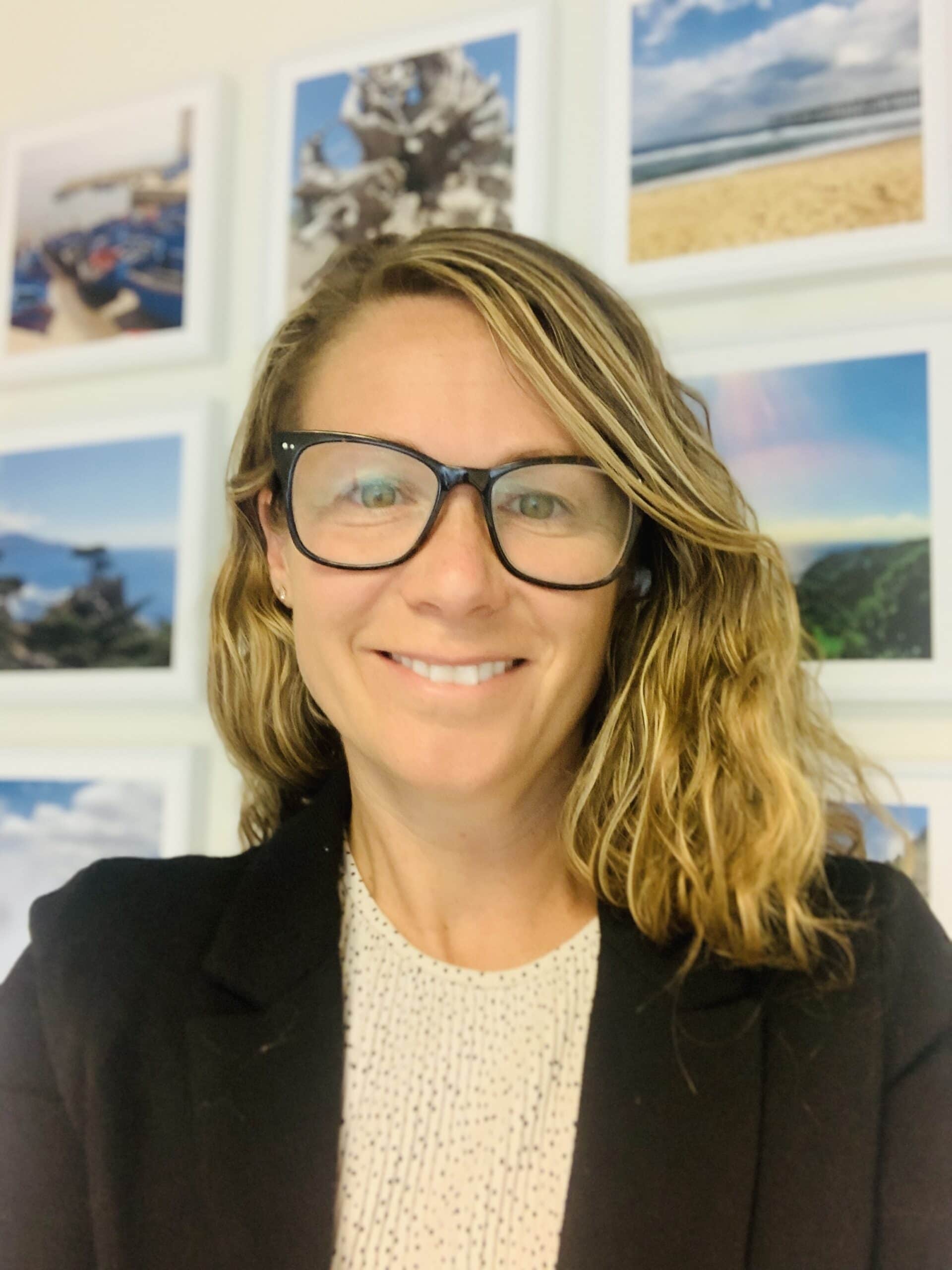
Anna O'shea smiling at the camera while wearing black glasses, a white shirt, and black blazer. She's standing before a wall of framed photographs

Assistant Professor

  • Johnson Campus

Ready to Take the Next Step?

  • Online Spring 2 – March 16, 2026
  • Online Summer 1 – May 2, 2026
  • Online Fall 1 – August 22, 2026
  • Fall 1 – August 24, 2026
  • Online Fall 2 – October 19, 2026
  • Online Spring 1 – January 19, 2027
  • Spring 1 – January 19, 2027
Psychologist talking to married couple at therapy session

Psychological Science, B.A.

Offered :

  • Castleton, VT
  • Johnson, VT
  • Available Online

This program is not eligible for international students requiring an F-1 visa.


What is an In-Person Plus program?

Program-required courses are taught through a combination of in-person and remote delivery. Remote learning may require meeting at a specific time or may not have a specific class time; all weekly interactions and assignments for remote courses are completed through a learning site.

What is an Online program?

Online programs: Teaching and learning takes place over the internet, allowing students to access course materials, interact with instructors and peers, and complete assignments remotely. Some programs may require in-person meetings, residency, or fieldwork.

In Vermont State’s Psychological Science B.A. program, you’ll learn about human behavior, develop critical-thinking skills, and put your classroom learning into practice in the field.

Explore career options such as working with children and families, community organizations and agencies, and/or in addiction, education, criminal justice, health and wellness, and other specialty areas.

In the tight-knit community of our psychology program, you'll have the faculty and peer support to develop your knowledge and professional vision while expanding your viewpoints and embracing the value of lifelong learning. You’ll finish the program prepared to pursue — and excel in — a range of psychology careers and jobs in and outside of the field of psychology, and prepared for graduate study, too.

We are here to answer your questions about Vermont State University.

Request Information

Why Study Psychological Science at Vermont State

  • Diverse, Relevant Skills: In addition to psychology-specific knowledge, our program focuses on skills that are important in any job. You’ll develop strengths in communication, critical thinking, teamwork, problem-solving, and presentation.      
  • Hands-On Learning: You’ll learn hands-on through internships and field experiences that match your passions, through research projects working alongside faculty, or you may even pursue your own research. You’ll gain the real experience in the field that employers want to see.
  • Accelerated Option: Save money and time by finishing your psychology bachelor degree in three or three-and-a-half years with our accelerated track. You’ll build skills throughout the program to stand out to employers.      
  • Preparation for More Study: The Psychological Science B.A. program is a major step toward pursuing graduate study in psychology, counseling, social work, or clinical mental health at Vermont State or elsewhere. Additionally, qualified students can be referred by full-time faculty to participate in the Bridge Program to Vermont State master’s degree programs in counseling or clinical mental health. Bridge Program students can take up to nine credits in our master’s degree programs in Counseling or Clinical Mental health. You could apply these credits toward both the upper-level breadth courses in your psychology degree as well as the Vermont State graduate degrees in counseling or clinical mental health. The Psychological Science B.A. is also a versatile degree that serves as a credential for admission to graduate study in other fields like education, health, business, the arts, law, etc. 

Start Terms for Psychological Science, B.A.

  • Online Spring 2 – March 16, 2026
  • Online Summer 1 – May 2, 2026
  • Online Fall 1 – August 22, 2026
  • Fall 1 – August 24, 2026
  • Online Fall 2 – October 19, 2026
  • Online Spring 1 – January 19, 2027
  • Spring 1 – January 19, 2027

Request Information

Loading…

Ready to Take the Next Step?

  • Online Spring 2 – March 16, 2026
  • Online Summer 1 – May 2, 2026
  • Online Fall 1 – August 22, 2026
  • Fall 1 – August 24, 2026
  • Online Fall 2 – October 19, 2026
  • Online Spring 1 – January 19, 2027
  • Spring 1 – January 19, 2027